BABY
Contact Naps: Everything You Need to Know
Wondering if contact naps are safe? We’ve got answers (and tips for stopping)!

Written by
Happiest Baby Staff

Contact napping might be a new-ish term, but the act of having your little one sleep in your arms or on your chest has been around for as long as babies have been born! But that doesn’t necessarily mean contact naps are the best sleep solution for your baby. Read on to learn why newborns adore contact naps, how skin-to-skin snoozing benefits babies and parents, and where safe sleep comes into play when considering contact napping.
What is contact napping?
Contact napping is when a baby or toddler sleeps with their little body on top of—or squished against—a parent. Contact napping is different from co-sleeping, because co-sleeping can occur without any actual body-to-body contact. And unlike co-sleeping, with contact napping, the parent can (and should!) be awake.
Is contact napping safe?
Contact napping is only safe if your baby is the only one sleeping! That’s because when you accidentally nod off while contact napping, you lose two key elements of safety: Your attention and your conscious grip of your little one, which puts your baby at risk for dangerous falls and maneuvering to an unsafe position.
While you can promise yourself you won’t fall asleep during a contact nap, the truth is, accidentally nodding off during a contact nap is terribly easy to do. “I’ve gotten too many emergency calls in the middle of the night after a sleeping baby perched on their parent’s body has fallen to the floor,” says Dr. Karp.
In fact, over 40% of parents surveyed have fallen asleep on a sofa or armchair with their baby in their arms. These accidents can even happen in the hospital with a team of nurses and medical personnel all nearby. One hospital reported that over half of their nearly 300 neonatal falls occurred after a caregiver fell asleep while holding a newborn. Several more reports found that 36% to 66% of all in-hospital neonatal falls involved caregivers nodding off.
How to Make Contact Napping Safer
The only safe way to contact nap is to be fully awake while your little one snoozes. Here are some ways to keep yourself alert while your baby naps:
- Enlist another adult to keep watch. Frequent monitoring by another grownup who’s not involved in contact napping can help ensure that you stay awake—and your baby remains safe, notes a 2022 report in the Journal of Obstetric, Gynecologic & Neonatal Nursing.
- Don’t sit in a sleep-inducing seat. Resist the urge to offer a contact nap in rocking or reclining chairs—or bed, where you are far more likely to doze.
- Wear your baby for a walk. Baby-wearing on-the-go is a wonderful way to lull your little one to sleep while offering a taste of their beloved womb experience: A warm embrace, gentle motion, and the hum of sounds.
- Wear a wrap in the hospital. It can be safe to fall asleep during a skin-to-skin contact nap in a hospital setting if you’re wearing a “skin-to-skin care safety device” (a special wrap that helps you properly position and hold your infant during a contact nap). Talk to your care team to ensure the wrap used explicitly states that it supports sleeping.
Contact Nap Benefits for Baby
Babies love to be held! The snug embrace of your arms mimics the comforting sensation your baby enjoyed for 9 months in the uterus, which helps them feel safe and loved. That’s why pediatrician Dr. Harvey Karp has been known to call the act of snuggling close to a sleepy newborn “womb service.” That’s also why kangaroo care—holding your baby on your bare chest—is a staple of care in neonatal intensive care units (NICU) and a strong recommendation for all newborns. Engaging in kangaroo care has been shown to help…
- Quiet cries
- Regulate Baby’s heart rate and breathing
- Aid weight gain
- Regulate Baby’s body temperature
- Improve breastfeeding success
- Improve chances of an earlier hospital discharge
- Boost bonding
Do babies sleep longer with contact naps?
Not always. But we do know that during skin-to-skin contact, most newborns easily fall asleep within a few minutes—and they achieve deep sleep for an hour or more, which is especially beneficial to a baby’s developing brain.
Contact Nap Benefits for Parents
Skin-to-skin contact napping is good for all parents…including dads! In fact, a 2022 report in the Journal of Clinical Nursing found that kangaroo care/contact napping enhances the bonding and attachment between fathers and infants. Plus, more research has shown that kangaroo care can help…
- Lower blood pressure
- Lower heart rate
- Reduce cortisol levels
- Reduce feelings of depression and anxiety
- Increase oxytocin levels
- Increase relaxation
Can babies become reliant on contact naps?
Yes. “The biggest habits that lead to poor sleep are bedsharing, being put in bed asleep, and falling asleep while being held,” says Dr. Karp. “When your baby regularly sleeps on you, they begin to learn that sleepytime occurs in your arms, not the cot.” That means, it’ll become more and more difficult to lay your growing baby down in their safe sleep spot to get a full night’s rest. To help avoid sleep problems later, you need to focus on sleep cues and routines now that will teach your baby to self-soothe. Which means:
- Using the wake-and-sleep technique: “The best way to start removing a dependence on being held to doze off is to use the wake-and-sleep technique every time you put your little one down to sleep,” says Dr. Karp. In short, if Baby dozes before you transition them from your body to the cot, gently rouse them with a light tickle until their eyes open. After a few seconds, your little one’s eyes will close again and slide back to sleep.
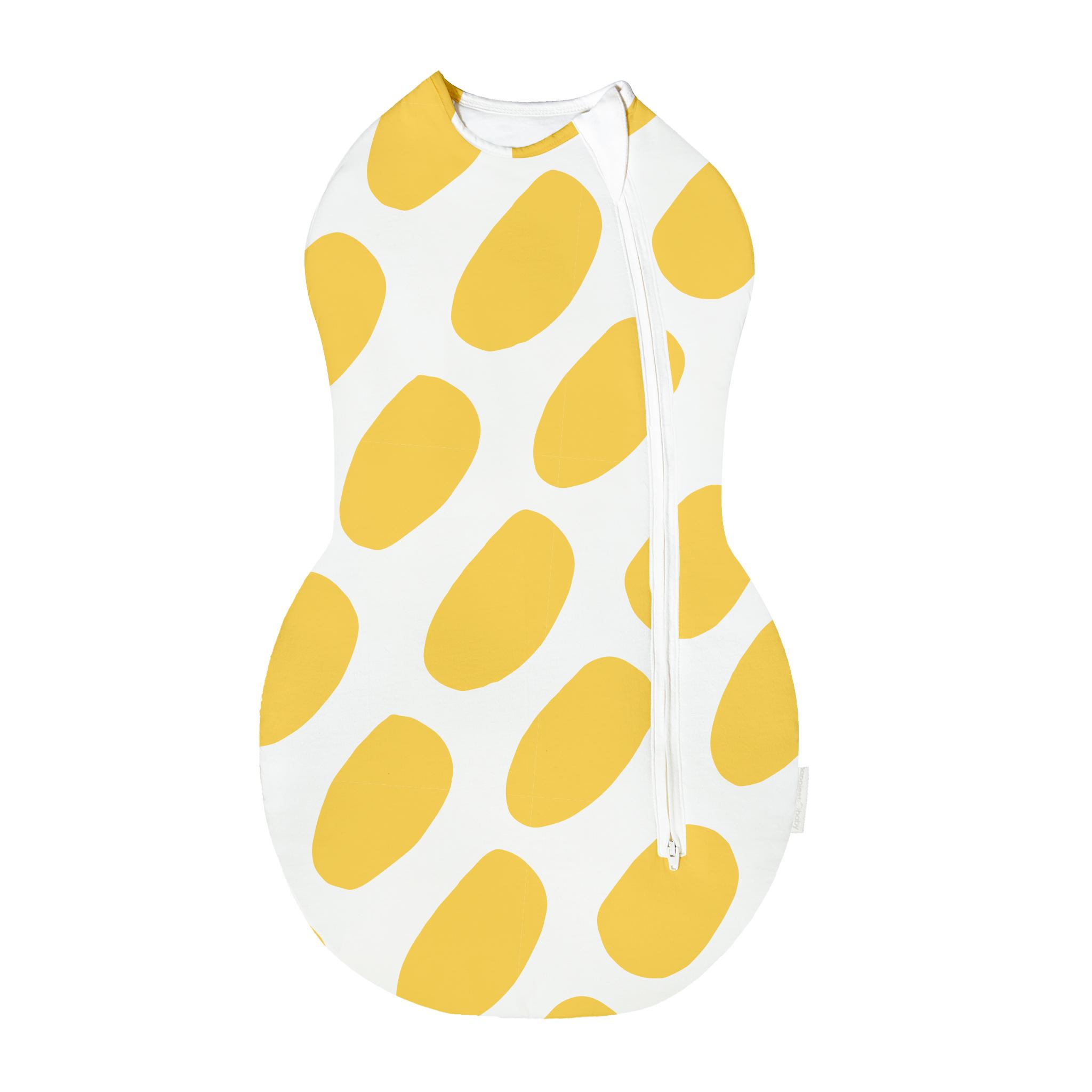
- Add other soothing sensations to the mix: “It’s easy to enjoy as much holding as you want without causing sleep problems,” says Dr. Karp. “All you need to do is add other soothing sensations to your bedtime mix, like white noise and swaddling, along with the wake-and-sleep technique.”
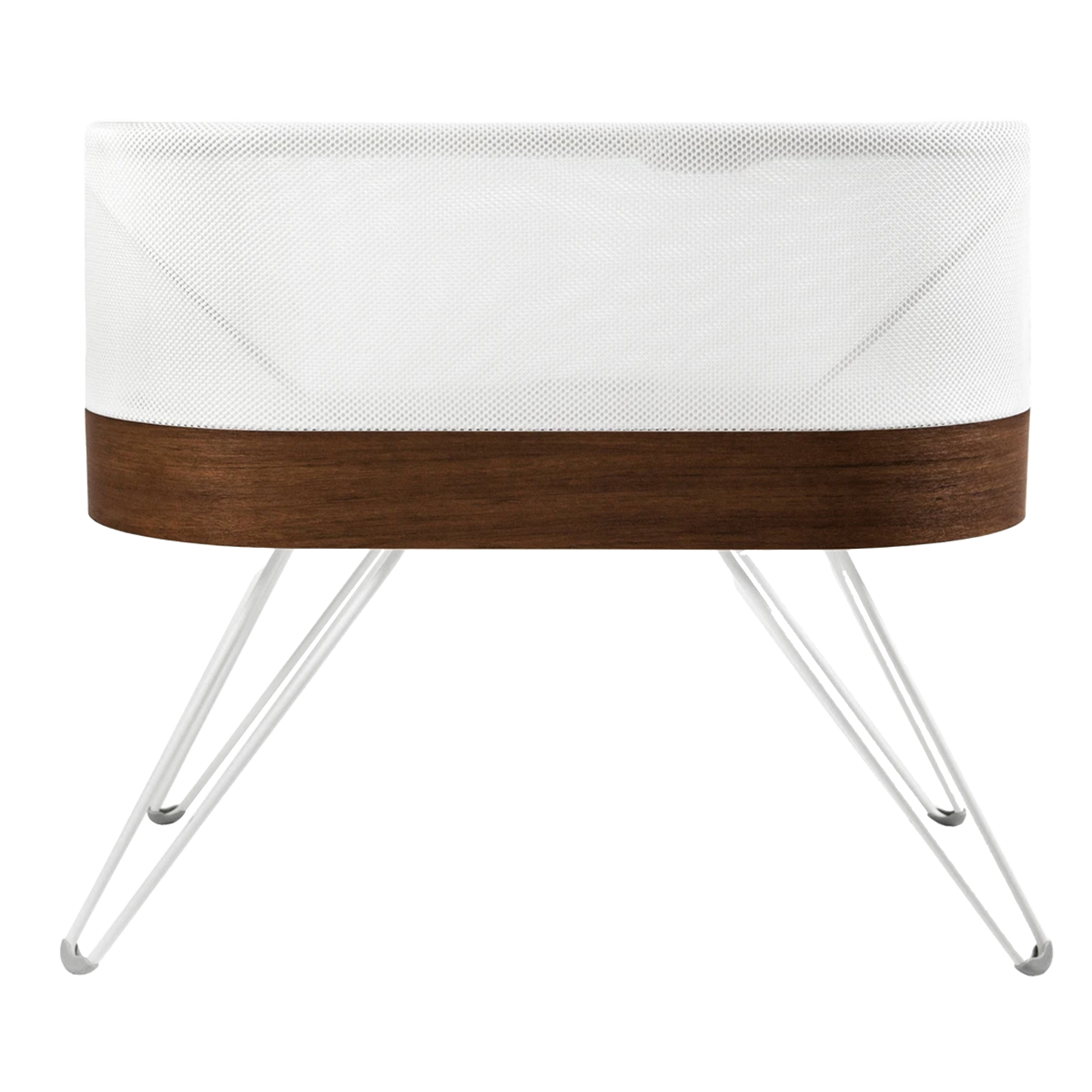
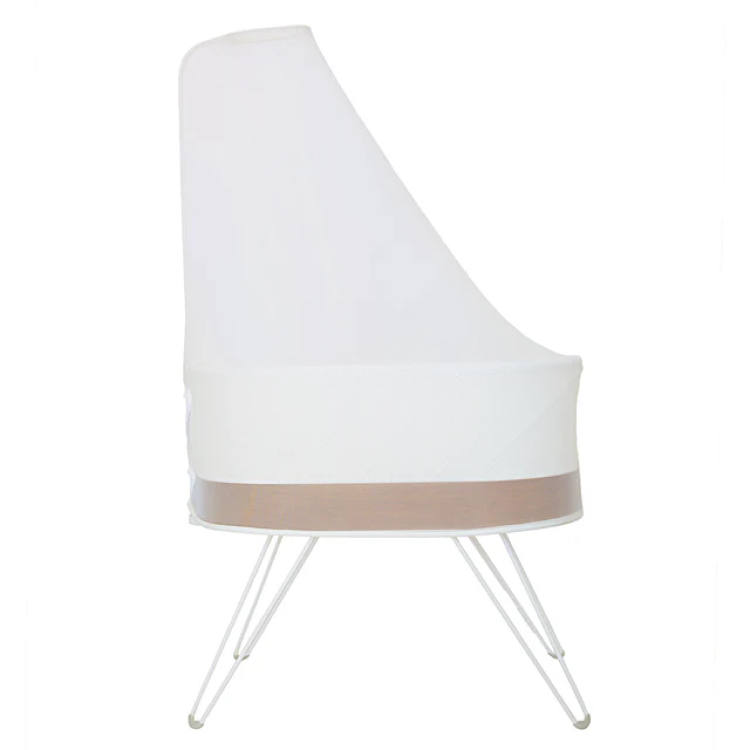
- Consider SNOO: “It’s not easy being a walking uterus!” says Dr. Karp. “Doing everything your uterus did—holding, feeding, nurturing your baby—takes all day long. Yet, as hard as you’re working, your baby thinks being in your arms for just 12 hours a day is a rip-off!” To help, Dr. Karp created SNOO, the responsive smart cot that soothes babies and promotes sleep with the calming trifecta of womb-like motion, safe swaddling, and all-night white noise.
When should you stop contact naps?
That depends. Do you consider contact napping a good baby sleep cue or a bad baby sleep cue? “Good cues help your baby fall asleep fast—and stay asleep longer—yet they’re easy to use, require little effort on your part, and are easy to wean,” says Dr. Karp. “On the other hand, bad sleep cues may get your baby to sleep, but they’re inconvenient, very demanding on you, and difficult to wean.” As soon as contact napping falls into the latter bucket, it’s time to stop.
***
REFERENCES
- Safe Sleep and Skin-to-Skin Care in the Neonatal Period for Healthy Term Newborns. Pediatrics. September 2016
- Application of a Risk Management Framework to Parent Sleep During Skin-to-Skin Care in the NICU. Journal of Obstetric, Gynecologic & Neonatal Nursing. May 2022
- The Lullaby Trust: New survey shows 9 in 10 parents co-sleep but less than half know how to reduce the risk of SIDS
- In-hospital Neonatal Falls: An Unintended Consequence of Efforts to Improve Breastfeeding. Pediatrics. January 2019
- March of Dimes: Touching and holding your baby in the NICU
- Cleveland Clinic: Kangaroo Care
- Sanford Health: The importance of skin-to-skin with baby after delivery
- Clinician Opinions and Approaches to Manage Risk Related to Safe Sleep During Skin-to-Skin Care. Journal of Obstetric, Gynecologic & Neonatal Nursing. September 2020
- Exploratory study of fathers providing Kangaroo Care in a Neonatal Intensive Care Unit. Journal of Clinical Nursing. June 2022
Disclaimer: The information on our site is NOT medical advice for any specific person or condition. It is only meant as general information. If you have any medical questions and concerns about your child or yourself, please contact your health provider. Breastmilk is the best source of nutrition for babies. It is important that, in preparation for and during breastfeeding, mothers eat a healthy, balanced diet. Combined breast- and bottle-feeding in the first weeks of life may reduce the supply of a mother's breastmilk and reversing the decision not to breastfeed is difficult. If you do decide to use infant formula, you should follow instructions carefully.






SHARE THIS ARTICLE
PARENT PICKS
Bestsellers